Tiny Hearts, Powerful Stories: Understanding Congenital Heart Conditions Early

What Is Congenital Heart Disease?
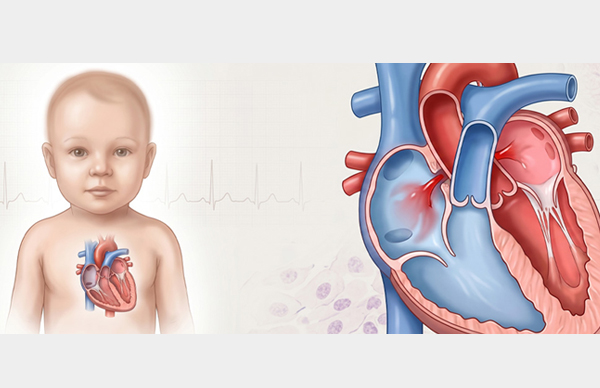
The human heart begins developing very early during pregnancy, and even small changes in its formation can lead to structural differences at birth. Congenital Heart Disease refers to a group of heart abnormalities that are present from birth and affect how the heart functions or circulates blood. These conditions may involve the heart walls, valves, arteries, or veins.
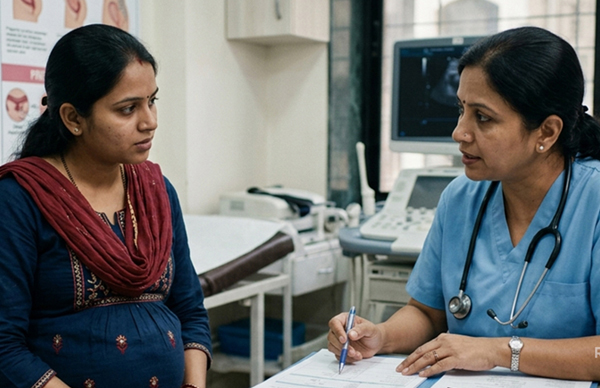
Some cases are detected before birth through prenatal screening, while others are diagnosed during infancy or childhood when symptoms such as difficulty breathing, fatigue, or poor weight gain appear. Early medical evaluation plays an essential role in identifying the condition and planning appropriate care.
Common Types and Causes
There are several types of Congenital Heart Disease, ranging from mild defects that may resolve naturally to more complex conditions that require medical or surgical intervention. Common examples include holes in the heart walls, narrowed blood vessels, and valve abnormalities that affect blood flow.
While the exact causes are not always known, factors such as genetic influences, certain infections during pregnancy, or environmental conditions may increase the risk. In many cases, however, these conditions occur without any identifiable reason.
Understanding these factors helps doctors monitor heart health closely and recommend timely treatment if necessary.
Advancements in Diagnosis and Treatment
Over the past few decades, significant progress has been made in the diagnosis and management of Congenital Heart Disease. Modern imaging technologies, including advanced echocardiography and cardiac scans, allow doctors to detect heart abnormalities with greater precision.
Treatment options vary depending on the type and severity of the condition. Some children may only require regular monitoring, while others may benefit from medications, minimally invasive procedures, or specialized heart surgery. Improvements in pediatric cardiac care have also made recovery safer and more effective than ever before.
Living Well with a Healthy Heart
With proper medical support and early detection, many individuals with congenital heart conditions go on to live healthy and active lives. Regular health check-ups, balanced nutrition, and appropriate physical activity can contribute significantly to long-term heart wellness.
Parents and caregivers also play an important role in monitoring symptoms and following medical guidance. Awareness and early care remain key to ensuring that children with heart conditions receive the attention and treatment they need to thrive and grow confidently into the future.