PCOS and Indian Women: Symptoms, Diet, and Treatment Options
PCOS: An overview
Polycystic Ovary Syndrome (PCOS) is one of the most common hormonal disorders affecting women of reproductive age. It is a matter of concern that its prevalence among Indian women has been steadily rising. Urban lifestyles, dietary habits, stress and genetic predisposition all contribute to the increasing number of diagnoses. PCOS is much more than just a reproductive health issue. Rather it also impacts metabolic, emotional and long-term health. This makes awareness and early management crucial.
Symptoms of PCOS
There are a few common symptoms of PCOS though it presents differently in every woman. Irregular or missed menstrual cycles are often the first sign. Women may also experience excessive hair growth on the face, chest or back (hirsutism), acne, oily skin, and thinning scalp hair. Weight gain, especially around the abdomen, is also frequently reported.
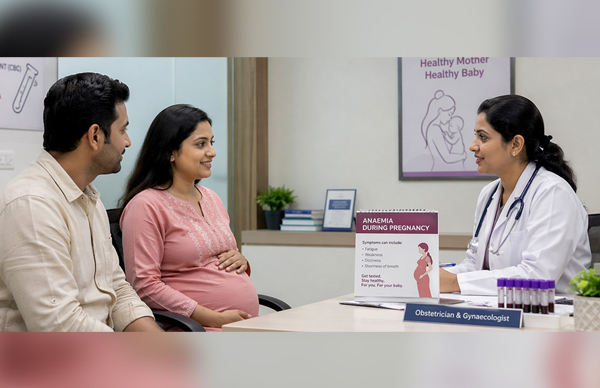
In many Indian women, PCOS is also associated with insulin resistance, which increases the risk of developing type 2 diabetes. Mood swings, anxiety and depression are not uncommon due to hormonal imbalance and body image concerns. Difficulty in conceiving can also occur, as PCOS often interferes with ovulation. Because these symptoms overlap with other conditions, proper medical evaluation is essential for accurate diagnosis.
Diet and Lifestyle Management
Diet plays a crucial role in managing PCOS, particularly for Indian women whose traditional diets can sometimes be high in refined carbohydrates and sugars. A balanced, low-glycaemic diet helps regulate insulin levels and maintain a healthy weight. Whole grains like brown rice, millets, and oats are better than white rice or refined flour products. Vegetables, fruits with low sugar content, lean proteins, nuts and seeds also greatly improve metabolic health.
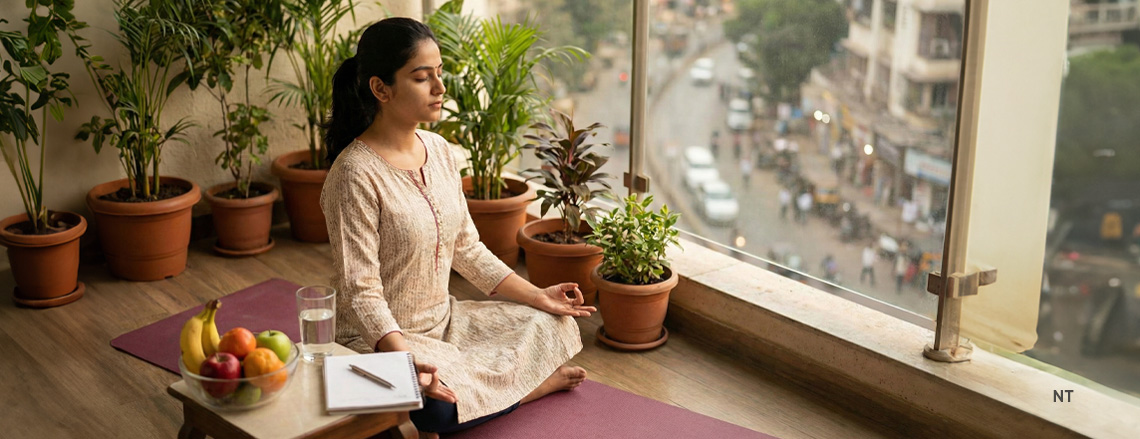
Regular physical activity is equally important. Activities such as brisk walking, yoga, strength training or cycling for at least 30 minutes a day can improve insulin sensitivity and hormone balance. Adequate sleep and stress management through meditation or relaxation techniques also significantly aid symptom control. Even a modest weight loss of 5–10% can lead to noticeable improvements in menstrual regularity and fertility.
What are the Treatment Options for PCOS?
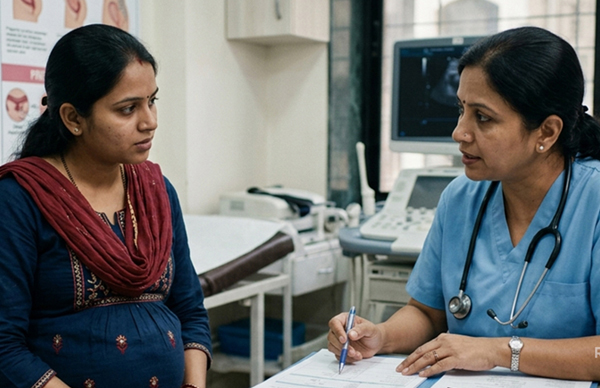
The bad news is that there is no permanent “cure” for PCOS, but the good news is that it can be effectively managed with a combination of medical treatment and lifestyle changes. Doctors may prescribe hormonal contraceptive pills to regulate menstrual cycles and reduce androgen levels. For women trying to conceive, ovulation-inducing medications may also be used. Insulin-sensitising drugs are also often used when insulin resistance or prediabetes is present.
In some cases, dermatological treatments may be resorted to for acne or excessive hair growth redressal. Nutritional supplements such as inositol, vitamin D, and omega-3 fatty acids are sometimes advised, but these should only be taken under medical supervision.
Early awareness is the key
In India it is sad but true that social stigma and lack of awareness often delay diagnosis and treatment. Recognising early signs, seeking timely medical advice and adopting sustainable lifestyle habits can prevent complications such as diabetes, infertility and cardiovascular disease. PCOS management is definitely a long-term journey.