Neonatal Hypoglycaemia
Understanding Low Blood Sugar in Newborns
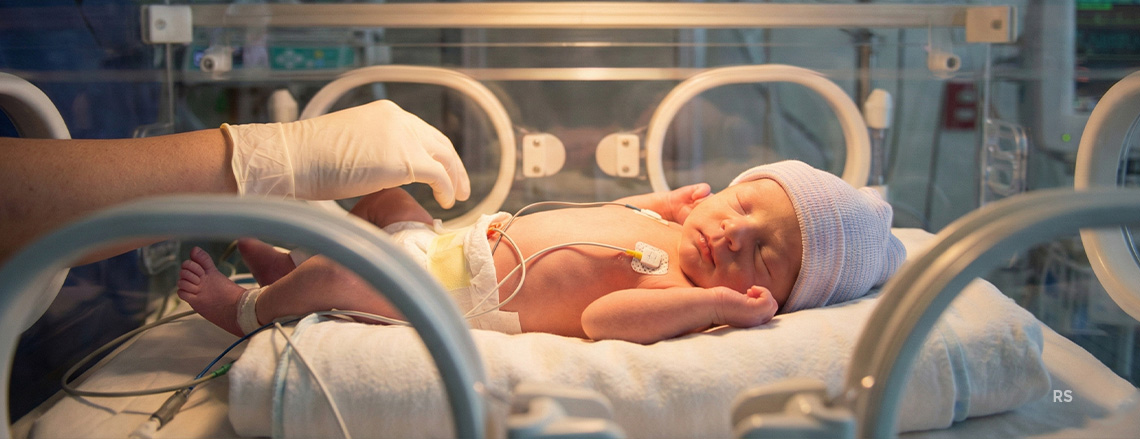
Neonatal hypoglycaemia is a metabolic condition quite commonly encountered in newborns. It refers to low blood glucose levels in the first few days of life and, if not identified and managed promptly, can lead to serious complications. Understanding its causes, signs, and management is essential for parents and healthcare providers alike.
What is Neonatal Hypoglycaemia?
To understand this condition, we need to recognise that glucose is the primary source of energy for the brain. In newborns, especially during the transition from intrauterine to extrauterine life, maintaining normal blood glucose levels can be quite challenging. Neonatal hypoglycaemia, simply put, refers to blood glucose levels below normal for the baby’s age, especially during the first 48–72 hours after birth.
It is noteworthy that while mild, transient hypoglycaemia can be a normal part of adaptation after birth, persistent or severe low blood sugar should not be overlooked and requires urgent attention.
What are the causes of this condition?
The chances of occurrence of neonatal hypoglycaemia go up significantly with several factors. Babies born to mothers with diabetes are at higher risk due to increased insulin levels in the baby after birth. Premature infants, low birth weight babies and those who are small or large for gestational age are also more susceptible to this disease.
However, there are many other causes as well which include birth asphyxia, infections, hypothermia, endocrine disorders and delayed or inadequate feeding. In some cases, excessive insulin production or metabolic disorders may be to blame.
Signs and Symptoms
The symptoms of neonatal hypoglycaemia can be subtle and easily missed. Common signs include jitteriness, tremors, poor feeding, lethargy, weak or high-pitched cry and low body temperature. In severe cases, babies may develop apnea, seizures or loss of consciousness.
The tricky part is that some newborns may remain asymptomatic. This makes routine blood glucose screening essential for high-risk infants.
Diagnosis is usually confirmed by measuring blood glucose levels using heel-prick samples or laboratory testing. Regular monitoring is crucial in at-risk newborns, especially during the first few days of life.
Managing the condition
Treatment of this disease depends on the severity and cause of hypoglycaemia. Early and frequent feeding, preferably breastfeeding, is the first line of management for mild cases. If oral feeding is insufficient or the baby is symptomatic, intravenous glucose may be required.
Maintaining normal body temperature, treating underlying conditions such as infection, and close monitoring of blood glucose levels are essential components of care.
Most babies respond well to timely treatment and recover.
How can one prevent Neonatal Hypoglycaemia?
The key to prevention is early detection. When managed early, neonatal hypoglycaemia usually has an excellent prognosis. However, prolonged or recurrent episodes can affect brain development and may lead to long-term neurodevelopmental problems.
Prevention depends on identifying high-risk pregnancies, ensuring early feeding after birth, maintaining warmth, and close monitoring of newborns at risk.
Worrying, but manageable
Neonatal hypoglycaemia is a common but manageable condition. Early recognition, timely treatment, and appropriate follow-up can ensure healthy outcomes and safeguard a newborn’s growth and development.