Lower Respiratory Tract Infections (LRTI) in Paediatrics
What is LRTI?
Lower Respiratory Tract Infections (LRTIs) are among the most common and serious illnesses affecting infants and children worldwide. They involve infections of the airways below the throat, including the trachea, bronchi, bronchioles and lungs. Conditions such as pneumonia, bronchiolitis and bronchitis fall under LRTIs and are a leading cause of hospital visits and admissions in young children, especially those under five years of age.
Causes and Risk Factors
LRTIs in children are most often caused by viruses, though bacterial and, rarely, fungal infections may also be responsible. Common viral agents include Respiratory Syncytial Virus (RSV), influenza virus, parainfluenza virus and adenovirus. Bacterial causes such as Streptococcus pneumoniae and Haemophilus influenzae are more likely to result in severe illness.
It is important to understand that certain children are at higher risk of developing LRTIs. These include premature infants, children with low birth weight, malnutrition, congenital heart or lung disease, asthma or weakened immunity. Environmental factors such as exposure to tobacco smoke, air pollution, overcrowding and poor ventilation also increase susceptibility.
Signs and Symptoms
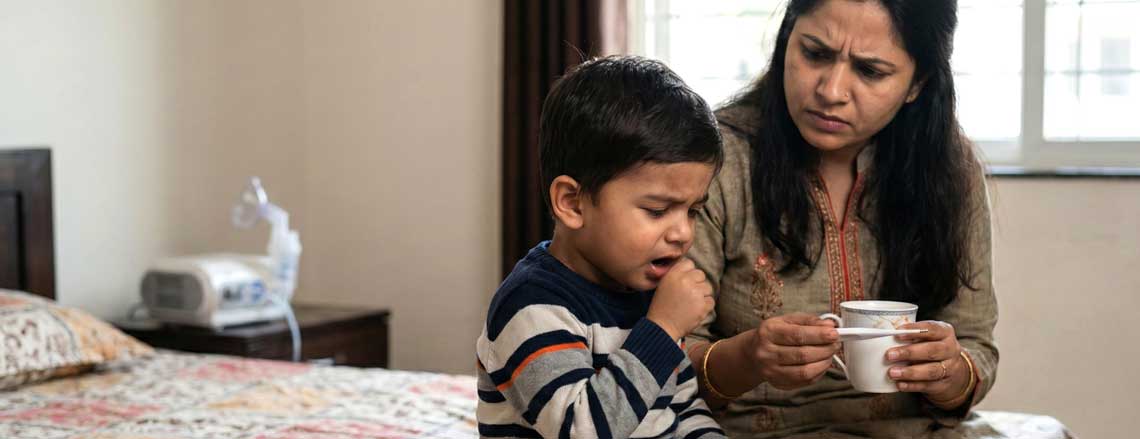
Symptoms of LRTI can range from mild to severe depending on the child’s age, overall health and the causative organism. Common symptoms include cough, fever, fast or difficult breathing, wheezing, chest indrawing and lethargy. Infants may exhibit behaviour like poor feeding, irritability, pauses in breathing (apnoea) or bluish discolouration of lips and nails, which indicate reduced oxygen levels and require urgent medical attention.
Diagnosis
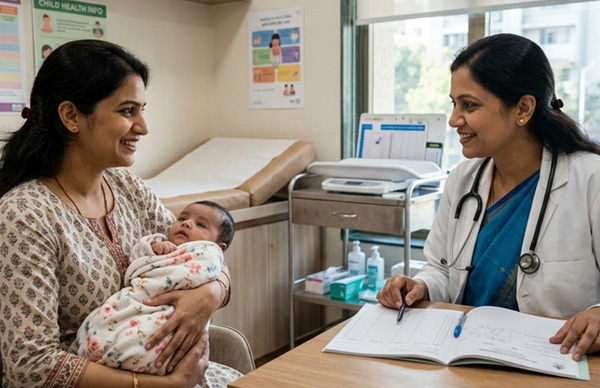
Diagnosis of LRTI in paediatrics is primarily clinical, based on the child’s symptoms and physical examination. A doctor may listen to the chest for abnormal breath sounds such as crackles or wheeze. In moderate to severe cases, investigations like chest X-ray, blood tests or oxygen saturation monitoring may be needed to assess the severity and identify complications.
Treating the condition
Treatment depends on the cause and severity of the infection. Most viral LRTIs can be treated with supportive care, including adequate fluids, fever control and monitoring of breathing. Oxygen therapy may be required if oxygen levels are low. Bacterial infections are treated with appropriate antibiotics. Hospitalisation is necessary for children with severe breathing difficulty, dehydration, low oxygen levels or underlying medical conditions.
Parents must ensure that the child completes prescribed treatment, maintains hydration and returns for follow-up if symptoms worsen.
Prevention of LRTI
Preventive measures significantly reduce the burden of LRTIs. These include exclusive breastfeeding in early infancy, timely immunisation against diseases such as measles, influenza and pneumococcal infections, good hand hygiene and avoiding exposure to tobacco smoke and indoor air pollution.
While LRTIs remain a major paediatric health concern, with preventive strategies, early diagnosis and appropriate care, most children recover well and return to normal health.