Gingivitis in Paediatrics: What parents need to know
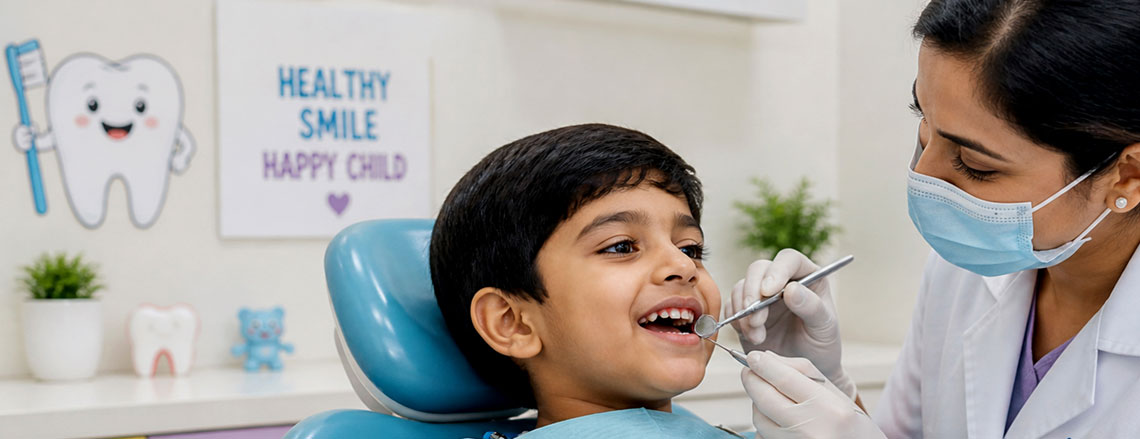
Importance of gum health
Unfortunately, gum health is often overlooked in children even though it plays a vital role in overall oral hygiene. Gingivitis is one of the most common paediatric dental problems which affects children of all ages. Though usually mild and reversible, untreated gingivitis can progress to more serious conditions, making early recognition and care essential.
What is Gingivitis?
At the very outset, we need to know what gingivitis refers to. Gingivitis is simply put the inflammation of the gums caused primarily by the accumulation of dental plaque which is a sticky film of bacteria that forms on teeth. In children, this condition is often linked to inconsistent brushing habits, sugary diets and inadequate oral hygiene.
What causes Gingivitis in children?
Several factors can contribute to gingivitis in paediatric patients. These include:
- Poor brushing and flossing habits
- High intake of sugary snacks and drinks
- Mouth breathing, which can dry out gums
- Misaligned teeth that trap food particles
- Hormonal changes, especially in pre-teens and adolescents
In some cases, certain medications or underlying health conditions may also increase susceptibility.
Signs and Symptoms
Gingivitis in children is not always evident and exhibits the following symptoms:
- Red, swollen or tender gums
- Bleeding while brushing or flossing
- Persistent bad breath
- Gum sensitivity or discomfort
One must keep in mind that children may not always complain, so regular inspection of their oral cavity is important.
Benefits of early detection
Although gingivitis is reversible, neglecting it can lead to periodontitis which is a more severe gum disease that may affect the supporting structures of the teeth. In growing children, this can have long-term consequences on dental development and oral health.
Effective prevention measures
Preventing gingivitis in children largely revolves around maintaining good oral hygiene habits. Let’s take a look at a few:
- Encourage brushing twice daily with fluoride toothpaste
- Introduce flossing as soon as teeth begin to touch
- Limit sugary snacks and promote a balanced diet
- Ensure regular dental check-ups every six months
- Teach children proper brushing techniques in a fun, engaging way
Parents play a key role in supervising and reinforcing these habits, especially in younger children.
Treatment Options
Fortunately gingivitis is usually easy to treat. Professional dental cleaning to remove plaque and tartar is often the first step. Dentists may also recommend improved brushing techniques, antibacterial mouth rinses (age-appropriate) and dietary adjustments.
In most cases, symptoms improve within a few weeks with consistent care. However, if the condition persists, further evaluation may be needed to rule out other dental or systemic issues.
Conclusion
Gingivitis in paediatrics is common but preventable. Building strong oral hygiene habits early in life sets the foundation for lifelong dental health. With attentive care and regular dental visits, parents can ensure their children maintain healthy gums and confident smiles.