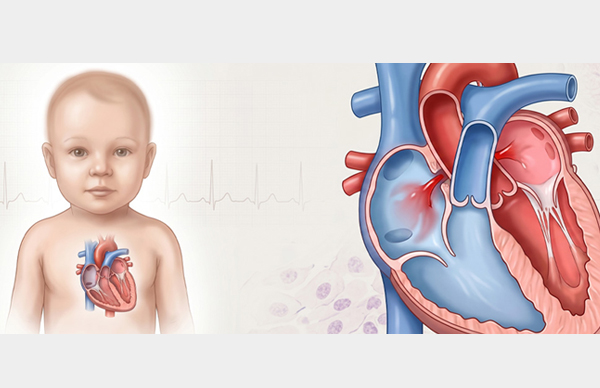
Foetal Alcohol Syndrome

Understanding the risks of Alcohol during Pregnancy
Foetal Alcohol Syndrome (FAS) is a serious condition that occurs when a baby is exposed to alcohol during pregnancy. It is part of a group of disorders known as Foetal Alcohol Spectrum Disorders (FASD), which result from prenatal alcohol exposure. FAS represents the most severe form and can result in lifelong physical, behavioural and cognitive challenges for the child.
Ill effects of alcohol on developing babies
Alcohol has very negative effects on developing babies. This is because when a pregnant woman consumes alcohol, it passes through the placenta and reaches the developing foetus. As a baby’s liver is still immature and cannot process alcohol effectively, alcohol remains in the foetal bloodstream for a longer period. This exposure can interfere with the normal development of the brain and other organs.
It is important to note that even small amounts of alcohol may pose risks, and there is no known safe level of alcohol consumption during pregnancy. Hence, healthcare professionals strongly recommend complete avoidance of alcohol throughout pregnancy.
Key Features and Symptoms
Children with Foetal Alcohol Syndrome may show a range of physical and developmental problems. These include:
- Distinct facial characteristics, such as a smooth philtrum (the groove between the nose and upper lip), thin upper lip, and small eye openings
- Growth problems, including low birth weight and slower physical growth
- Brain and nervous system abnormalities, which can affect learning, memory and coordination
- Developmental delays, such as difficulty with speech, attention, and social skills
- Many children with FAS may also struggle with behavioural challenges, including impulsivity, hyperactivity and difficulty understanding consequences.
Long-Term Impact
The unfortunate truth is that the effects of Foetal Alcohol Syndrome can continue throughout life. Children may face difficulties in school due to learning disabilities, poor concentration or challenges in problem-solving. As they grow older, some individuals may even experience problems with employment, independent living or social relationships.
Because the brain is particularly vulnerable to alcohol exposure during pregnancy, neurological effects are often the most lasting and impactful aspect of the condition.
Diagnosis and Management
Diagnosis of Foetal Alcohol Syndrome usually involves a combination of medical history, physical examination, and developmental assessment. Doctors may look for the characteristic facial features, growth patterns, and evidence of prenatal alcohol exposure.
However, the good news is that though FAS cannot be cured, early intervention can make a significant difference. Treatment focuses on managing symptoms and supporting the child’s development. This may include:
- Special education services
- Speech and occupational therapy
- Behavioural therapy
- Support for families and caregivers
Early diagnosis allows healthcare providers to design individualised care plans that improve a child’s quality of life and developmental outcomes.
Prevention is everything
It is noteworthy that Foetal Alcohol Syndrome is entirely preventable. The most effective way to prevent it is by avoiding alcohol during pregnancy and when planning to conceive.
Greater awareness, community education and supportive prenatal care can help reduce the occurrence of this preventable condition.
Foetal Alcohol Syndrome is a lifelong condition that can significantly affect a child’s physical health, brain development and behaviour. Since alcohol exposure during pregnancy is the sole cause, prevention through awareness and abstinence remains the most powerful strategy.