Endometriosis: Overview, Causes, and Treatment
Know the condition
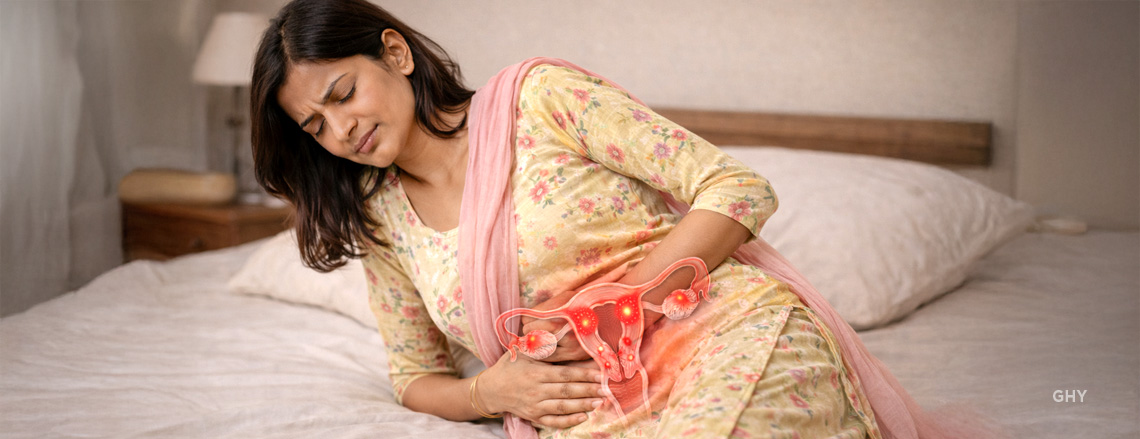
Endometriosis is a chronic and often painful condition in which tissue similar to the lining of the uterus (endometrium) grows outside the uterus. This misplaced tissue commonly affects the ovaries, fallopian tubes and the pelvic lining. However, albeit raraely, it can spread beyond the pelvic organs. Although it is a common gynaecological disorder, endometriosis is frequently underdiagnosed due to its varied symptoms and overlap with other conditions.
Understanding the issue
Let’s take a more detailed look at what endometriosis entails. In a normal menstrual cycle, the endometrial lining thickens, breaks down and sheds as menstrual blood. In endometriosis, the tissue growing outside the uterus behaves similarly. It thickens and bleeds with each cycle. However, unlike menstrual blood, it has no way to exit the body. This leads to inflammation, swelling and the formation of scar tissue (adhesions), which can cause organs to stick together.
The symptoms
Common symptoms of endometriosis include pelvic pain, especially during menstruation, pain during intercourse, heavy menstrual bleeding, fatigue and in some cases, infertility. The severity of symptoms is not always proportionate with the extent of the disease. In fact, some women with mild endometriosis experience severe pain, while others with advanced disease have minimal symptoms.
Isolating the causes
Unfortunately, the exact cause of endometriosis cannot be pinpointed. However, there are several theories about the origin of the disease which are as follows:
- Retrograde Menstruation: This is the most widely accepted theory, where menstrual blood flows backward through the fallopian tubes into the pelvic cavity instead of leaving the body.
- Coelomic Metaplasia: This theory suggests that certain cells in the body transform into endometrial-like cells under specific conditions.
- Immune System Dysfunction: A weakened immune system may fail to recognise and destroy endometrial-like tissue growing outside the uterus.
- Genetic Factors: Endometriosis tends to run in families.
- Surgical Scars: Endometrial cells may attach to surgical incisions after procedures like caesarean sections.
Treatment options
Unfortunately, there is no definitive cure for endometriosis. However, several treatment options are available to manage symptoms and improve quality of life. The choice of treatment depends on the severity of symptoms, age and reproductive goals.
- Pain Management: Nonsteroidal anti-inflammatory drugs (NSAIDs) are commonly used to relieve pain and reduce inflammation.
- Hormonal Therapy: Hormonal treatments aim to reduce or eliminate menstruation, thereby slowing the growth of endometrial tissue. These include birth control pills, progestins, gonadotropin-releasing hormone (GnRH) agonists and hormonal intrauterine devices (IUDs).
- Surgical Treatment: Laparoscopic surgery is often used to diagnose and remove endometrial implants and scar tissue. In severe cases, a hysterectomy (removal of the uterus) may be considered, especially when other treatments have failed.
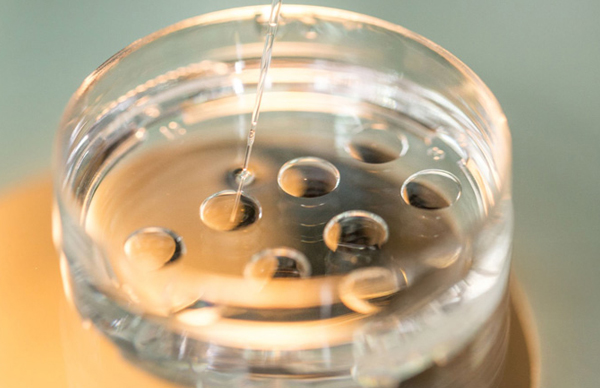
- Fertility Treatment: For women facing infertility, assisted reproductive techniques such as in vitro fertilisation (IVF) may be recommended.
Endometriosis is a complex condition that can significantly impact a woman’s physical and emotional well-being. Early diagnosis and a tailored treatment approach are essential for effective management. Increased awareness and timely medical consultation can help improve outcomes and quality of life.