Diet Plans for Indian Women during and after Pregnancy
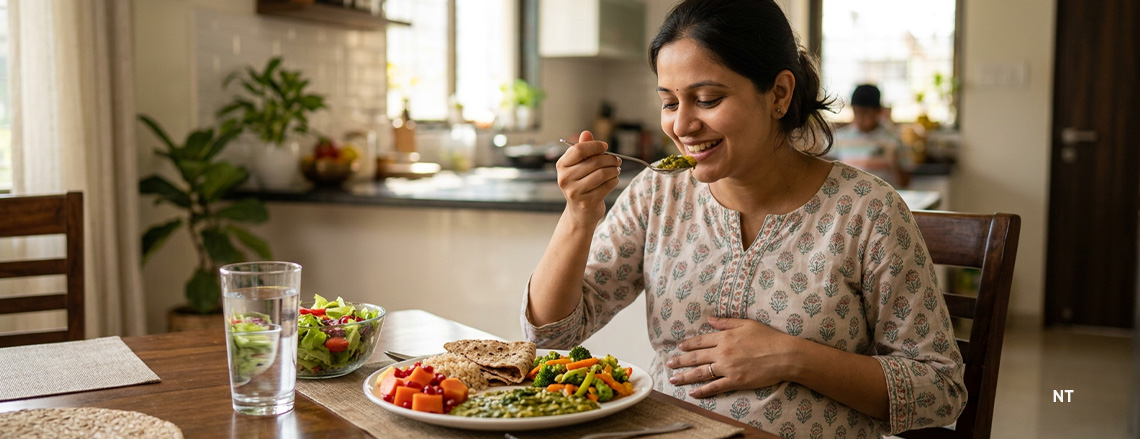
Nurturing a pregnancy
The importance of pregnancy and the post-pregnancy period in a woman’s life cannot be overemphasised as they are undoubtedly crucial phases. These phases demand special attention to nutrition. A balanced and nutritious diet not only supports the health of the mother but also promotes the proper growth and development of the baby. It is essential to incorporate a variety of traditional foods to help meet nutritional needs while ensuring enjoyable and wholesome meals.
What to eat during pregnancy?
It has to be kept in mind that during pregnancy, the body requires additional calories, proteins, vitamins and minerals. However, one needs to be cautious as well - eating for two should not translate into overeating and the emphasis should be on nutrient-rich foods.
Ideally a pregnancy diet for Indians should include:
- Whole grains such as wheat, oats, brown rice and millets for energy and fibre.
- Protein-rich foods like lentils, dals, chickpeas, soy products, paneer, eggs, fish and lean meats to support foetal growth.
- Dairy products such as milk, curd and paneer for calcium and protein.
- Fresh fruits and vegetables to provide essential vitamins, minerals and antioxidants.
- Healthy fats from nuts, seeds, ghee in moderation and vegetable oils.
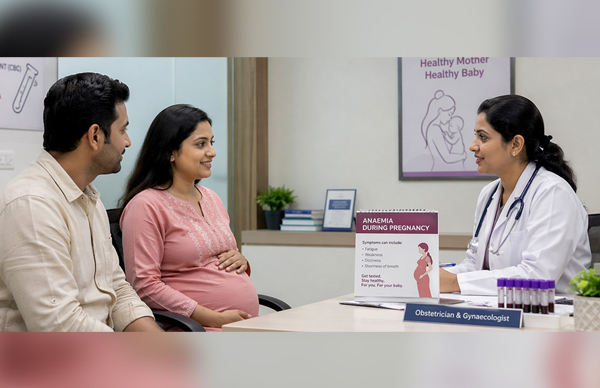
It is essential to remember that iron and folic acid are particularly important during pregnancy. Green leafy vegetables, beetroot, dates, legumes and fortified cereals help prevent anaemia. Adequate hydration should also not be overlooked, and women should drink 8–10 glasses of water daily.
Take a look at a sample Pregnancy Meal Plan
Breakfast: Vegetable poha with a glass of milk and a fruit.
Mid-morning Snack: Coconut water and a handful of almonds.
Lunch: Chapati, dal, mixed vegetable curry, curd, and salad.
Evening Snack: Sprouts chaat or fruit bowl.
Dinner: Rice, fish curry or paneer curry, vegetables and curd.
Diet After Pregnancy
The diet after pregnancy also holds immense importance. The postpartum period demands proper nutrition to aid recovery, support breastfeeding and restore energy levels. Breastfeeding mothers require additional calories and fluids to maintain milk production.
Important foods during this phase include:
- Protein-rich foods to repair tissues and strengthen muscles.
- Calcium-rich foods such as milk, sesame seeds and ragi for bone health.
- Iron-rich foods to replenish blood loss after delivery.
- Traditional Indian foods like gond laddoos, panjiri, methi preparations and ajwain-infused dishes, recommended in moderation to support recovery.
Hydration remains essential. Breastfeeding mothers should increase fluid intake through water, soups, buttermilk and fresh fruit juices.
Here’s a sample Postpartum Meal Plan:
Breakfast: Ragi porridge with nuts and fruits.
Mid-morning Snack: Fruit smoothie or buttermilk.
Lunch: Chapati, dal, green vegetables, curd and salad.
Evening Snack: Roasted chana and herbal tea.
Dinner: Khichdi with vegetables, paneer or lean protein.
What not to have?
While eating certain food is a must, the importance of avoiding certain others is just as high. During and after pregnancy, women should limit highly processed foods, excessive sugar, soft drinks and deep-fried snacks. Alcohol and tobacco should be completely avoided. Excessive caffeine consumption should also be restricted.
Eat right, plan right
A well-planned diet during and after pregnancy plays a vital role in ensuring the health of both mother and baby. By including a variety of nutritious Indian foods, maintaining hydration and following medical advice, women can support a healthy pregnancy, smooth recovery and successful breastfeeding journey. Good nutrition during this period ensures the long-term well-being of both mother and child.