Dangers of Over-the-Counter Antibiotic Purchases and Self-Medication
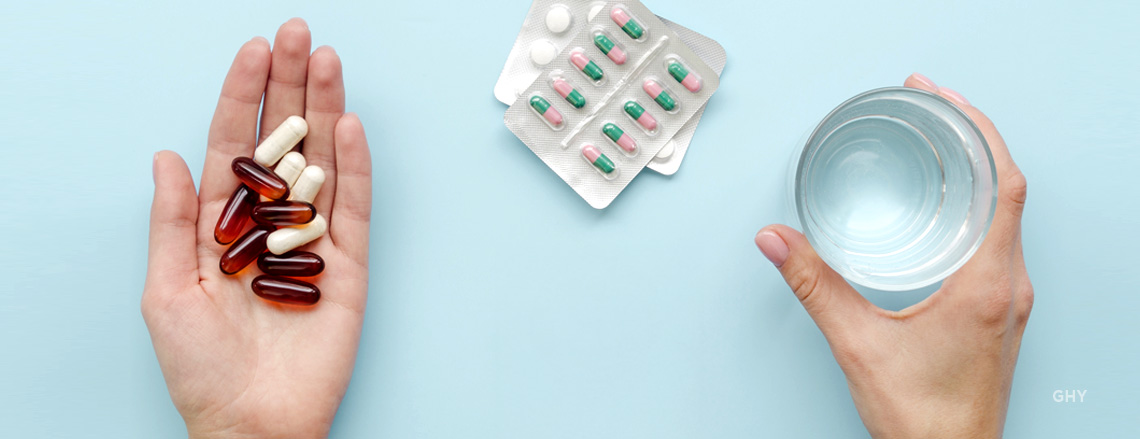
All about antibiotics
Everyone is aware of antibiotics and their benefits. Antibiotics have truly revolutionised modern medicine by effectively treating bacterial infections that were once life-threatening. But their easy availability in many places without a prescription has created an issue as it has triggered widespread misuse. Purchasing antibiotics over the counter and self-medicating without proper medical guidance is a danger few comprehend. This habit can pose serious health risks, not only to individuals but also to society. Let’s take a look at the dangers they pose.
The flip side of antibiotic misuse
One of the most significant dangers of self-medicating with antibiotics is antibiotic resistance. When antibiotics are taken unnecessarily, in incorrect doses or for an incomplete duration, bacteria can adapt and become resistant. This means that future infections may no longer respond to standard treatments, making them harder and more expensive to cure. Antibiotic resistance is an inescapable fact and now recognised globally as a major public health threat, leading to longer hospital stays, higher medical costs and increased mortality.
The second and equally alarming concern is misdiagnosis and inappropriate use. One has to remember that not all infections require antibiotics. Many common illnesses such as colds, flu, sore throat and most coughs are caused by viruses, against which antibiotics are completely ineffective. Self-medication often results in antibiotics being taken for viral infections, providing no benefit while exposing the body to unnecessary drug side effects. Without proper medical evaluation, individuals may also miss serious underlying conditions that require different treatments.
The third risk is of incorrect dosage and duration. People who self-medicate may stop taking antibiotics once symptoms improve rather than completing the full prescribed course. This incomplete treatment allows some bacteria to survive and multiply, contributing further to resistance. Conversely, taking higher doses than needed can increase toxicity and side effects without improving recovery.
The misuse of antibiotics can also cause many adverse reactions and side effects. These can be mild such as nausea, diarrhoea and skin rashes or they can even be severe allergic reactions like anaphylaxis, which can be life-threatening. Certain antibiotics may also interact dangerously with other medications, alcohol or existing medical conditions. Without professional supervision, these risks can often go unnoticed until complications arise.
Another danger is that self-medication can greatly disrupt the body’s natural balance of beneficial bacteria, especially in the gut. This imbalance may lead to problems such as fungal infections, digestive disturbances and weakened immunity. Overuse of broad-spectrum antibiotics is particularly harmful in this regard.
What is often overlooked is that the adverse effect of irresponsible antibiotic use is not just restricted to individuals but also affects the community at large. Resistant bacteria can spread from person to person, making infections harder to control in hospitals and communities. What begins as one person’s self-treatment can ultimately contribute to a broader public health crisis.
Get antibiotics on your side
It must be kept in mind that for antibiotics to be beneficial they need to be used safely which requires medical guidance, accurate diagnosis and adherence to prescribed regimens. Public awareness, stricter pharmacy regulations and patient education are essential to combat misuse. Antibiotics are powerful tools, but they need to be used responsibly. The long-term consequences of self-medication can unfortunately be quite severe.