Congenital Heart Disease: Understanding Atrial Septal Defect (ASD)
A brief overview
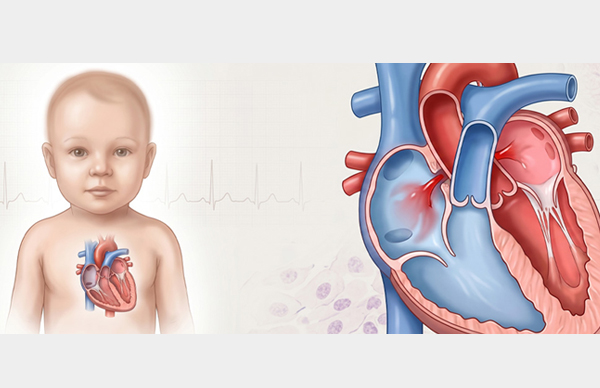
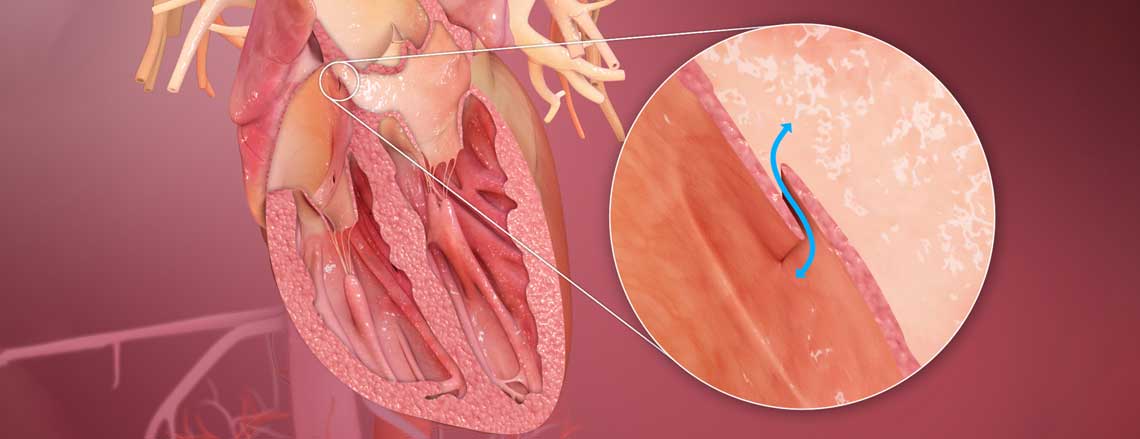
Congenital heart diseases (CHDs) are structural abnormalities of the heart present at birth. Atrial Septal Defect (ASD) is one of the most common CHDs. An ASD occurs when there is an opening in the wall (septum) that separates the heart’s two upper chambers—the right and left atria. This opening allows oxygen-rich blood from the left atrium to mix with oxygen-poor blood in the right atrium, leading to increased blood flow to the lungs. It is noteworthy that while some ASDs are small and harmless, others can cause significant symptoms and may require medical treatment.
The different types of ASD
There are different types of ASDs. In fact ASDs can appear in different forms depending on where the opening is located on the septum. Let’s take a look:
- Ostium Secundum ASD – This is the most common type, situated in the middle of the atrial septum.
- Ostium Primum ASD – This is located lower on the septum and often associated with other valve abnormalities.
- Sinus Venosus ASD – Occurs near the veins that bring blood into the heart.
- Coronary Sinus ASD – This one is a rare type involving the coronary sinus region.
Each type varies in severity and influences the choice of treatment.
What are the causes and risks?
ASD is a congenital condition, which means that it develops during foetal growth. While the exact cause is not always clear, several factors may increase the risk. These include:
- Genetic conditions such as Down syndrome.
- Maternal infections, especially rubella during pregnancy.
- Certain medications or alcohol use during pregnancy.
- Family history of congenital heart defects.
However, in many cases, ASD occurs without any identifiable cause.
Signs, Symptoms and Diagnosis
Small ASDs may cause no symptoms and close on their own during childhood. Larger defects, however, can lead to notice¬able signs such as:
- Frequent respiratory infections
- Breathlessness or fatigue, especially during activity
- Poor weight gain in infants
- Heart murmurs detected during routine check-ups
- Palpitations or irregular heartbeat in older children or adults
If left untreated, a large ASD can eventually lead to complications like pulmonary hypertension, heart rhythm problems or heart failure later in life.
ASD is typically diagnosed through echocardiography, which clearly shows the structure of the heart and blood flow patterns. Additional tests such as ECG, chest X-ray or cardiac MRI help assess the heart’s function and the size of the defect.
What are the Treatment Options?
Treatment depends on the size and type of the defect and the presence of symptoms:
- Observation – Small ASDs without symptoms may simply be monitored over time.
- Catheter-based closure – A minimally invasive procedure where a device is inserted through a blood vessel to seal the defect.
- Surgical repair – Needed for larger or complex ASDs. Surgeons may close the hole using sutures or a patch.
What is the Long-Term Outlook
With timely diagnosis and treatment, most individuals with ASD lead healthy, normal lives. Regular follow-up with a cardiologist is essential to ensure the heart functions well and to monitor for any long-term complications.