Checking for Anaemia in Pregnancy
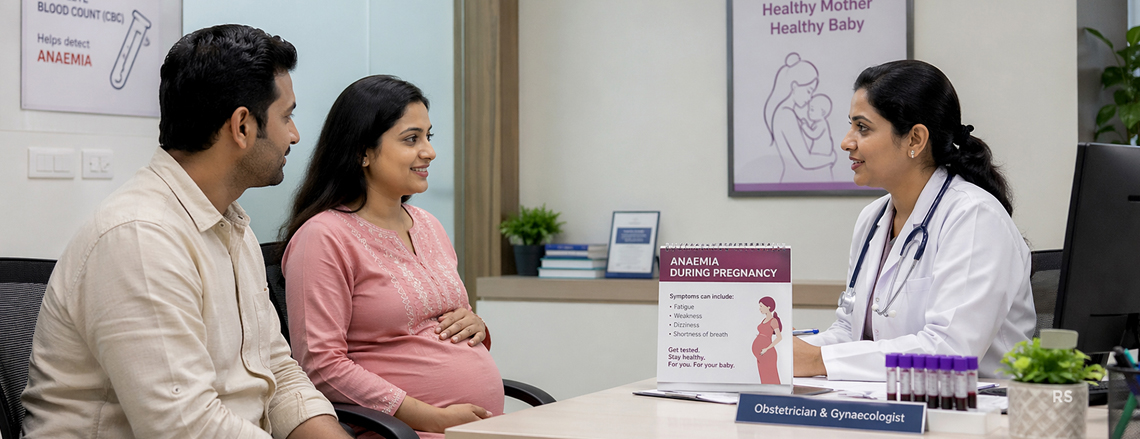
A common concern
One of the issues often encountered, especially in developing countries is anaemia during pregnancy. Though common it is a significant health concern and occurs when the level of haemoglobin (the protein in red blood cells that carries oxygen) falls below normal. It is noteworthy that during pregnancy, a woman’s body requires more iron and nutrients to support the growing foetus. This makes her even more vulnerable to anaemia. So early detection through regular screening is essential for the health of both mother and baby.
The importance of screening
Screening for anaemia is essential in pregnancy as anaemia, especially iron deficiency anaemia, can lead to complications such as fatigue, reduced immunity, preterm delivery, low birth weight and in severe cases, maternal mortality. It can also affect the baby’s growth and development. Routine antenatal screening helps identify anaemia early which in turn allows timely intervention and prevention of complications.
The checking process
The most common and reliable method to detect anaemia is a blood test to measure haemoglobin (Hb) levels. This is usually done during the first antenatal visit and repeated in the second and third trimesters.
- Haemoglobin estimation: A simple blood test determines Hb levels. Hb levels below 11 g/dL in pregnancy indicate anaemia.
- Complete Blood Count (CBC): This test provides detailed information about red blood cells, including their size and number, helping identify the type of anaemia.
- Peripheral smear: This test helps examine the shape and structure of red blood cells to detect specific deficiencies.
When should testing be done?
Screening is typically conducted:
- At the first prenatal visit (preferably in the first trimester)
- In the second trimester (around 24–28 weeks)
- In the third trimester (around 32–34 weeks)
Women at higher risk, such as those with poor nutrition, multiple pregnancies or a history of anaemia may require more frequent monitoring.
The danger signs
While mild anaemia may not cause obvious symptoms, some warning signs include:
- Persistent tiredness or weakness
- Pale skin, lips or nails
- Shortness of breath
- Dizziness or headaches
But it is not wise to rely solely on symptoms. On the contrary, routine blood tests are crucial.
Preventing and managing anaemia
The good news is that anaemia can be prevented. It is recommended to have a balanced diet rich in iron, folic acid and vitamin B12. Foods such as green leafy vegetables, lentils, beans, jaggery, nuts and lean meats are beneficial. Iron and folic acid supplements are routinely prescribed during pregnancy and should be taken as advised by a healthcare provider.
In moderate to severe cases, higher doses of supplements or intravenous iron therapy may be required. Regular follow-up tests help monitor improvement and ensure treatment effectiveness.
A condition that should not be overlooked
It is crucial to remember that checking for anaemia is a vital part of antenatal care. With timely screening, proper nutrition and appropriate treatment, anaemia can be effectively managed, ensuring a safer pregnancy and a healthier outcome for both mother and child. Regular check-ups and awareness play a key role in preventing complications.