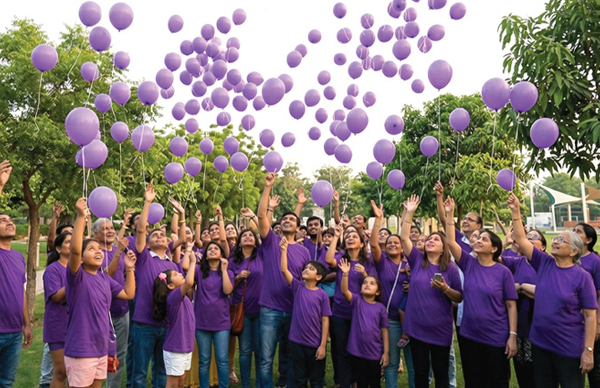
Autism in children

Autism in children: An overview
Autism in children is a developmental condition that affects how a child communicates, interacts and experiences the world. It is known medically as Autism Spectrum Disorder (ASD). The reason it is called a “spectrum” is because it presents differently in every child and can range from mild social challenges to more significant communication and behavioural needs. The good news is that with increasing awareness and early diagnosis, many children with autism can lead independent lives with the right support.
World Autism Awareness Day
World Autism Awareness Day is an important global initiative which is observed annually on April 2. Established by the United Nations, the goal of this day is to promote understanding, acceptance and inclusion of individuals with autism across all societies. It also seeks to be a reminder to parents, educators and healthcare providers about the importance of early recognition and intervention.
Understanding the condition
It is important to know more about this condition. Autism typically becomes noticeable in early childhood, often before the age of three. Some common signs include delayed speech, limited eye contact, difficulty in understanding social cues, repetitive behaviours and strong preferences for routines. But it is important to note that each child is unique. What is also very interesting is that some autistic children have exceptional abilities in areas such as memory, music or mathematics.
Causes and treatment
Unfortunately, the exact cause of autism cannot be pinpointed. But research suggests that it is a combination of genetic and environmental factors and is not caused by parenting style or social circumstances. Early diagnosis is key and paediatricians and developmental specialists use screening tools and behavioural assessments to identify autism at an early stage.
Intervention strategies for autism focus on improving communication, social skills and adaptive behaviour and may include speech therapy, occupational therapy, behavioural therapy and special education programmes. Applied Behaviour Analysis (ABA), for example, is widely used to encourage positive behaviours. It must be remembered that the involvement of parents and caregivers is equally important.
The present scenario
Education systems are nowadays becoming more inclusive, offering tailored learning approaches for children with autism. Structured environments, visual aids and individualised teaching methods can significantly enhance their learning experience. Social inclusion is another critical aspect wherein children with autism benefit greatly from opportunities to interact with peers in supportive settings.
On World Autism Awareness Day, communities around the world organise campaigns, workshops, and events to spread awareness and foster acceptance. The “Light It Up Blue” campaign, for instance, encourages people to wear blue or illuminate buildings to show solidarity with individuals on the autism spectrum. Such initiatives reduce stigma and promote a more inclusive society.
To sum up, with early intervention, understanding, and societal support, children with autism can thrive and contribute meaningfully to their communities. World Autism Awareness Day remind us that awareness is the first step toward acceptance which paves the way for inclusion and empowerment.
The child’s strengths too should be fostered. Many children with autism have exceptional abilities in areas like memory, music, mathematics or art. Encouraging these talents helps build confidence and independence.
Social and Emotional Well-being
Children with autism may face challenges in forming friendships or expressing emotions. Inclusive education and awareness among peers and teachers can create a more supportive social environment.
Raising a child with autism can be demanding and parents are encouraged to seek support through counselling or parent support groups.
The road ahead
Autism is a lifelong condition, but with early support, children with autism can lead meaningful lives. Many grow up to pursue education, careers and independent living. Increased awareness, early detectio and compassionate support systems are key to helping children with autism reach their full potential. The trick is to recognise and celebrate the unique perspectives and abilities these children bring to the world.